
On December 13th I turned 36 years old and I began to write this from a wildlife hide in the Heart of Worcestershire. The light was low and there is a chill in the air that only a 3 degree British Winter can promise. My fingers were frozen but I have never felt so engaged and content.
Brine Pit Wildlife Photography is a privately owned farm which is helpfully situated on a river and it is home to a variety of wildlife including Kingfishers, little owls, foxes and Kestrels (amongst others). The owners have worked tirelessly over the years to set up some fabulous wildlife hides that are private and available to rent.
There is a cost to pay for renting these exclusive hides but I would imagine this is a proffesional photographers paradise and they would quickly make a return on their investment in stunning photographs to sell. I am of course an amateur and I do this for fun so this really was a treat for myself to celebrate 36 years on this planet. It is however worth every single penny.
I arrived at the site around 8am. It was overcast and the early morning mist had just dissipated. I often find I struggle with low light photography as I am still getting a handle on switching from Auto mode to manual. In addition to this as any wildlife enthusiast will tell you, sightings are not guaranteed. I was therefore anticipating nothing other than to have a nice peaceful day of observation and writing. This was to stem my expectations.
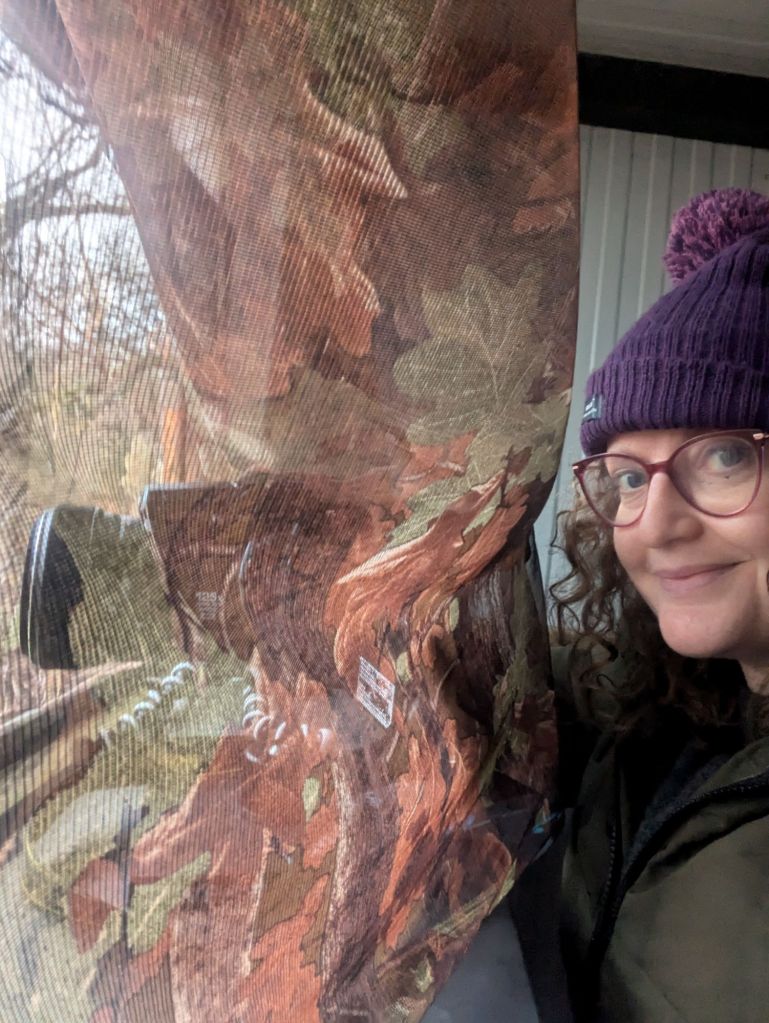
I got into this fantastically well equipped hide with camoflauge veils, gimbles and even a heater for the colder winter days. I settled into one of the comfortable office style chairs and then immediately dropped my lense cap onto the floor with a suprisingly loud clatter.
Wildlife photography requires stealth, patience and quietness. I am the queen of stealth and can creep up on a herd of deer with ease but my excitement was effecting my fine motor skills. When leaning over the pick up the lense cap I dislodged my own camera stand sending that crashing to the floor with a deafening thud.
I sat head in hands and thought to myself that I had well and truly blown my chances today. Every animal within a 5 mile vicinity would know where I was at this rate!
I stood up to grab myself a snack and compose myself and looked out over the river in front of the hide. The trees were hanging low and the rumble of passing river water cascading around the meandering river bends could be heard clearly over the distant sound of the chuckle of Magpies and the gentle movement of winter leaves.
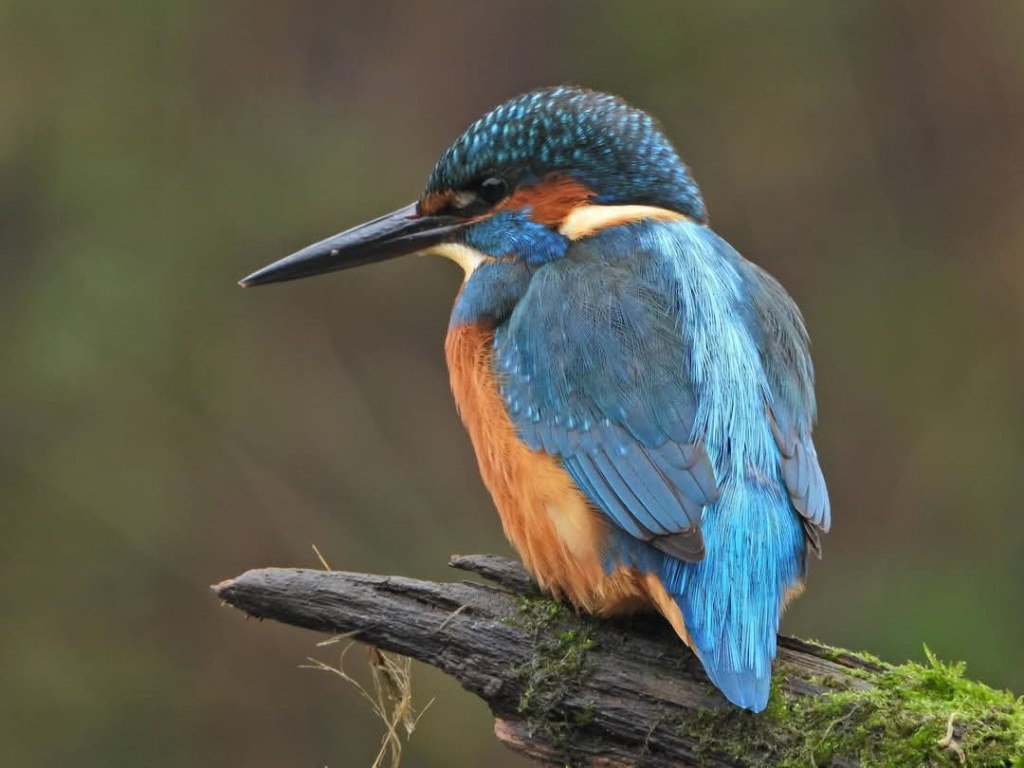
It was there, perched on the bank that I saw him. Small and blue with a striking orange chest. A male kingfisher stood looking at me with great interest. He sat for a moment and as I watched, camera in hand hardly daring to breathe, he was gone in a second.
Kingfishers were my subject of choice today. I had longed to properly photograph these beautiful electric blue animals for such a long time. I had previously gained fleeting moments of observation at the Christopher Cadbury Wetlands and my husband and I had taken a few shots at some distance away. Thanks to my high zoom camera these are always shots I will cherish. My first experience of Kingfishers since moving to Worcestershire.
Yet, seeing these animals gives you this feeling of connection to nature and it feels almost sacred to sit there and have nothing between you and the subject than your camera and the wild. They are however lightning fast and hard to spot. Coming here however breathed life into my ambitions and recent failed attempts at locating them. The host, Sharon was optimistic that I would encounter them. This was something that I longed for, something I didn’t dare hope was an option.
I returned after a few calming breaths to my chair and set my camera to point directly at the helpful perch placed over the fishing pool.
It was probably about 20 minutes later that I saw the unmistakable flash of electric blue and the male kingfisher flew to his perch.
Kingfishers are not rare, there are estimated to be around 4,900 mating pairs in the whole of the UK. However, they are very elusive and extremely hard to spot despite being very brightly coloured.
They nest in river banks so unless you have access to clean rivers near where you live seeing them is a tough task. They can also fly at around 25Mph so for a bird that is smaller than a blackbird to move that quick, they are a hard spot.
To see one this close (about 15 feet away) on the perch in front of me just boggled my mind for a moment. I tried to move slowly and methodically to maneuver the camera into the right spot. I half expected to lose the shot before I had a chance to focus on as is so often the case with photographing wildlife, to my elation and surprise he remained on his perch
I think that the constant provision of fish is a bit of a lure and I guess once you have seen a few eager birders clamouring for a shot and realised that they mean no harm, it’s easier to be calm..
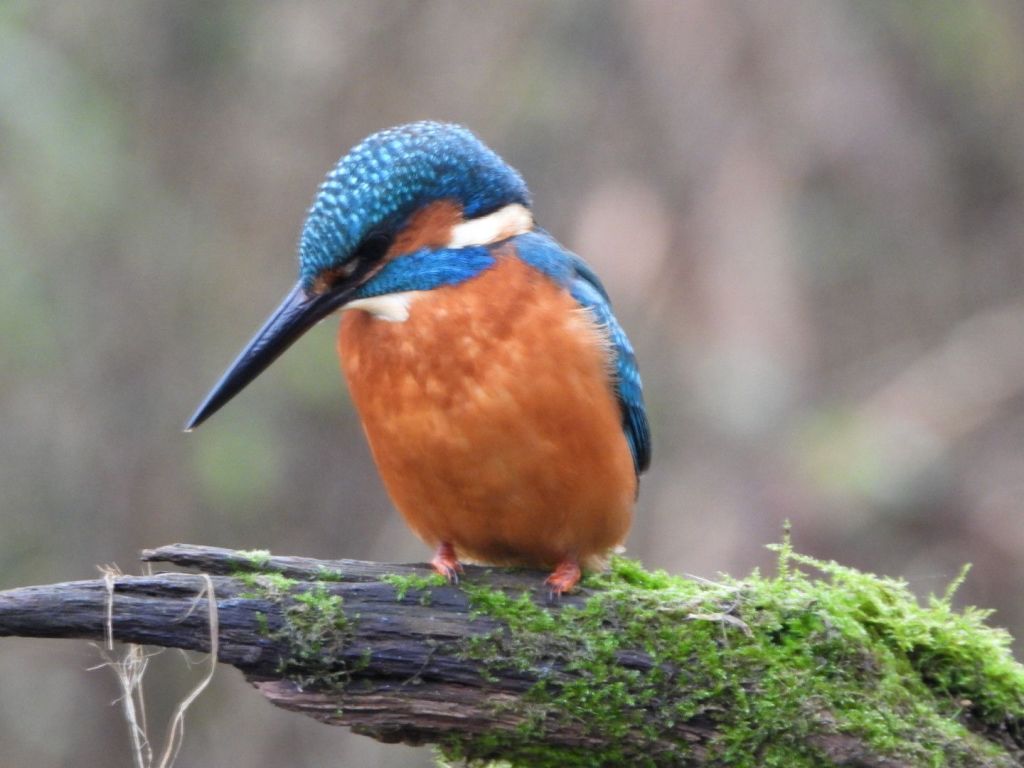
He could definitely see me or at least he suspected that the broken outline of something in the gloom was human. He would occasionally look up and directly at me, his beautiful ink black eyes taking in every movement behind the camouflaged veil. He sat for a few minutes obliging me with shots like an eager red carpet celebrity and then, with poise and precision he dove down into the water.

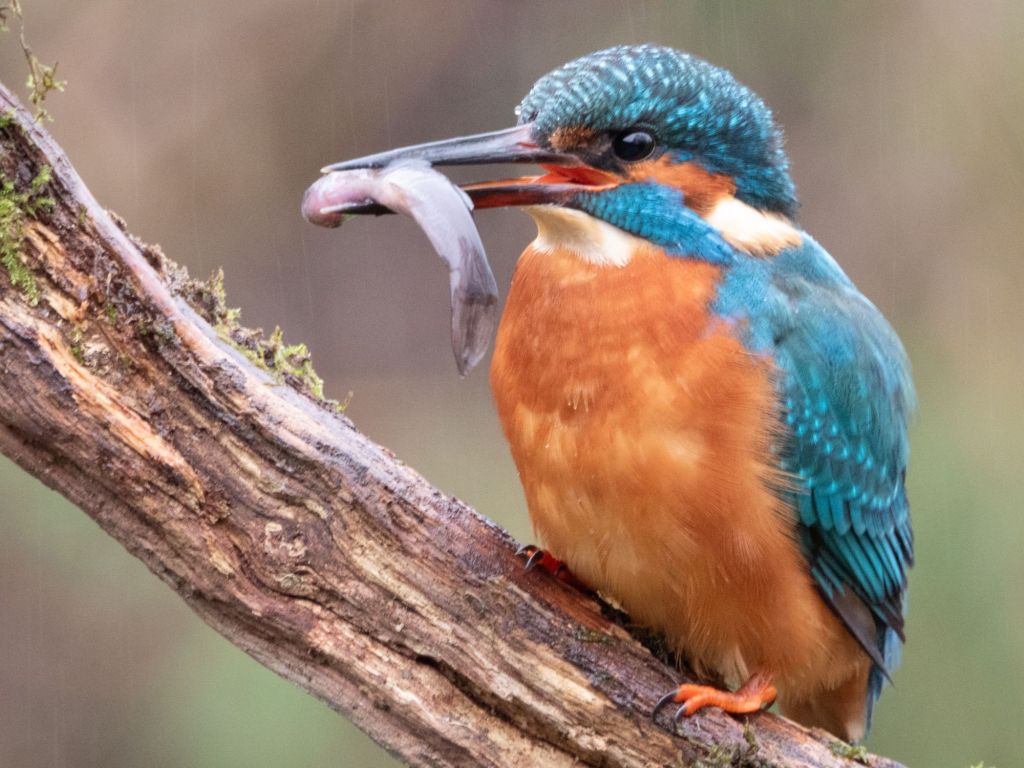
The splash was virtually non existent as he sailed beneath the surface and emerged with a fish. In fact every single time he dove during my visit (which was multiple times) he was successful. It was like he was saving his energy for that perfect moment. That perfect instance in time where the fish was where it needed to be and he could catch it.
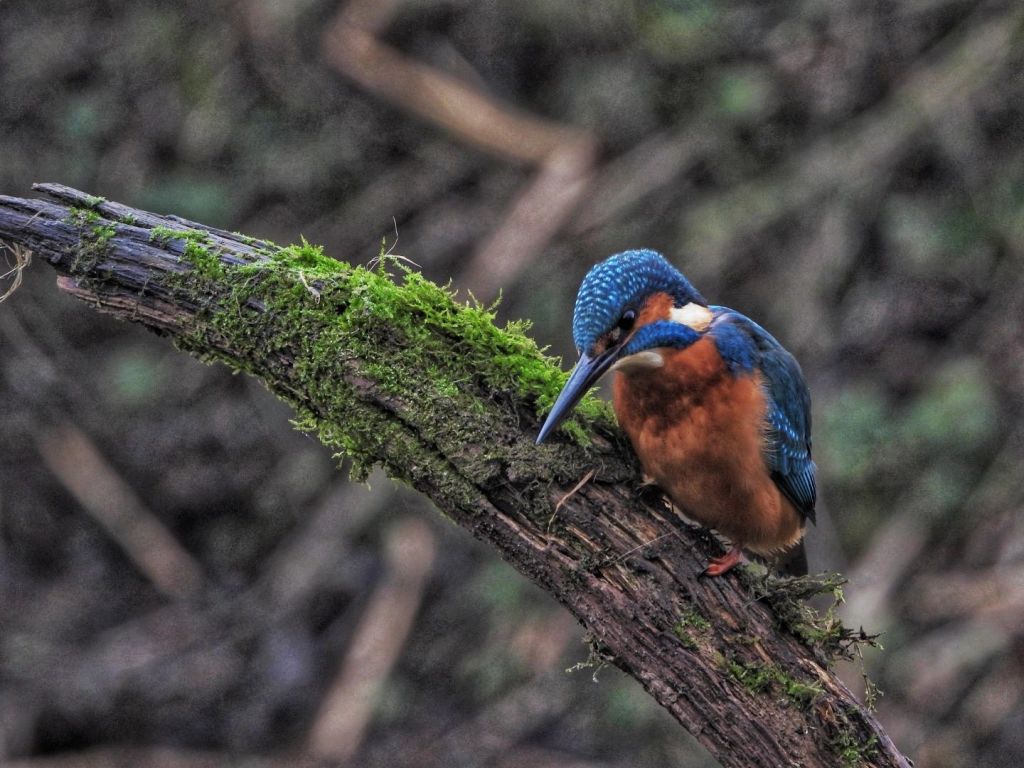
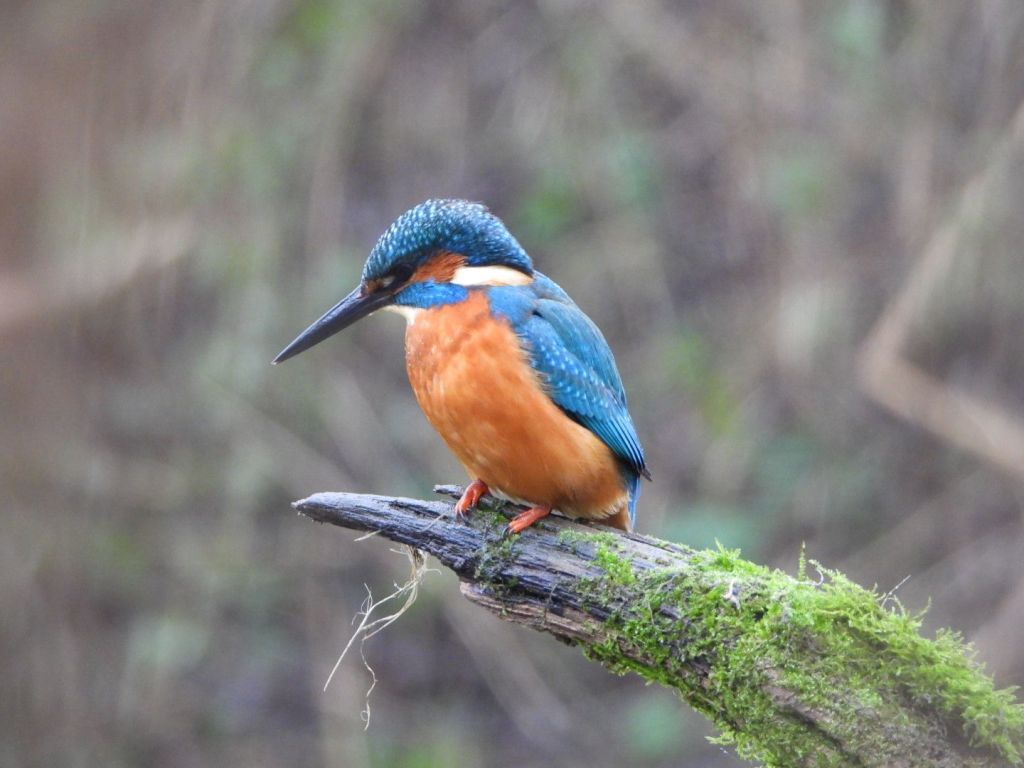

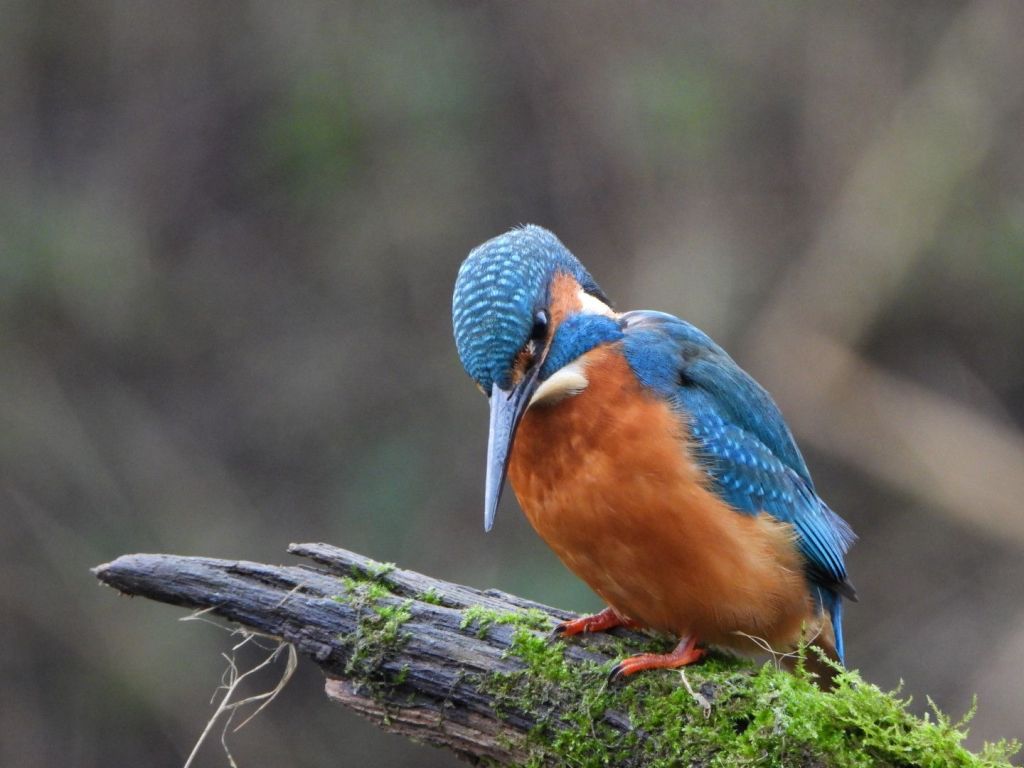
I am so used to having fleeting glimpses of birds and taking a shot and hoping to get lucky with it. This Kingfisher could not have been more obliging and he would return again and again to take a minnow from the pond and fly off to devour it with relish either in a nearby tree or back in the perch again.
It got to the point that I could quite comfortably stop taking pictures and just sit and quietly observe.
What I had not realised until I shared my photos with the Brine Pit Photography Facebook group was that I was actually observing more than one individual. The female Kingfisher is almost identical to the male except for her striking orange lower mandible and beak which could be seen only after closer inspection.i ea
I was in the hide for about 4 hours and believe when I say that it was amongst the quickest 4 hours of my life. Despite the cold I was just absolutely transfixed on what I was experiencing.
There is a lot of waiting in wildlife photography. When you share your images with others it paints this picture of instant success . It almost appears as though you have stepped into the world and had animals all around you every second of every day.
Success with wildlife photography isnt always about getting 100s of perfect shots. I actually took about 300 photos in total and only about 95 were at a standard that were ready to share. There is a lot of waiting in between shots as well which is why I was able to begin writing this blog as I waited for a kingfisher to return to feel once again.
It was while I was responding quietly to a text message wishing me a Happy Birthday that I glanced up and say on my view finder the image of a Kingfisher. I thought that it must have switched itself to view the photos already taken. But no, it was a Kingfisher in the flesh perched and waiting to dive.
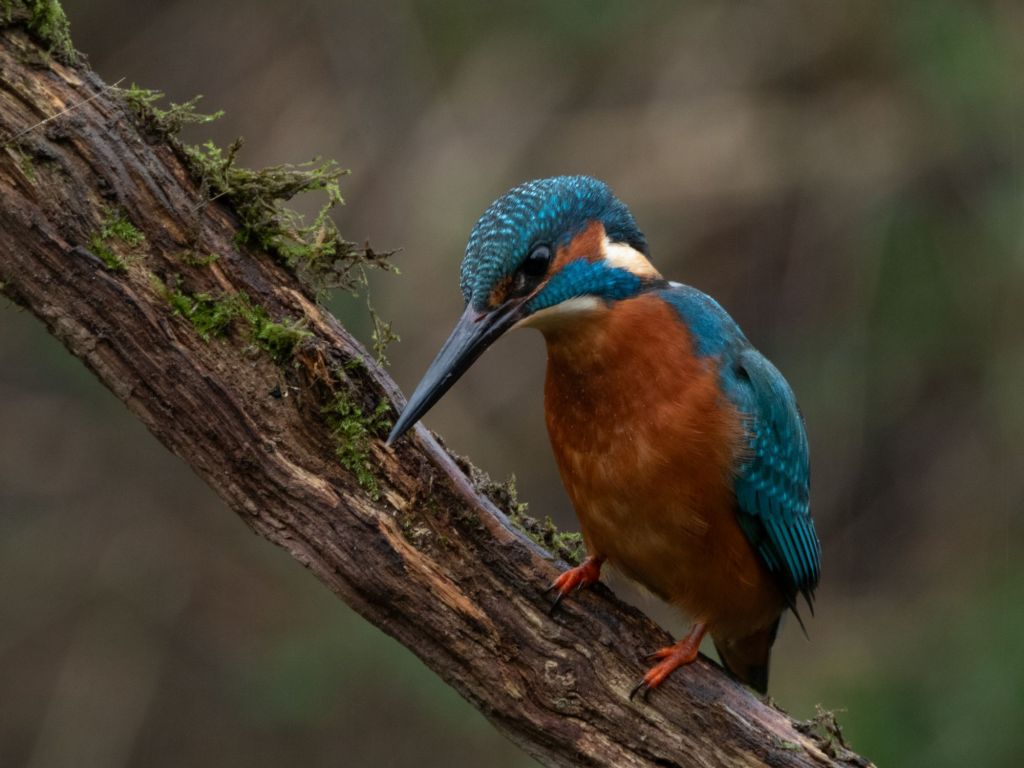
Kingfishers need to consume their own bodyweight in fish a day which is quite a lot. I often wonder if I could eat my own body weight in chocolate and I think despite my love for this particular food, I would struggle!
Perhaps the need to frequently feed was why I was lucky enough to see the Kingfishers appearing around 15 times. Sometimes the visits were brief, a quick fly in and out to assess the food situation and often they would perch for some time observing the status of the situation and waiting for the perfect opportunity to take flight and dive into the water beneath.
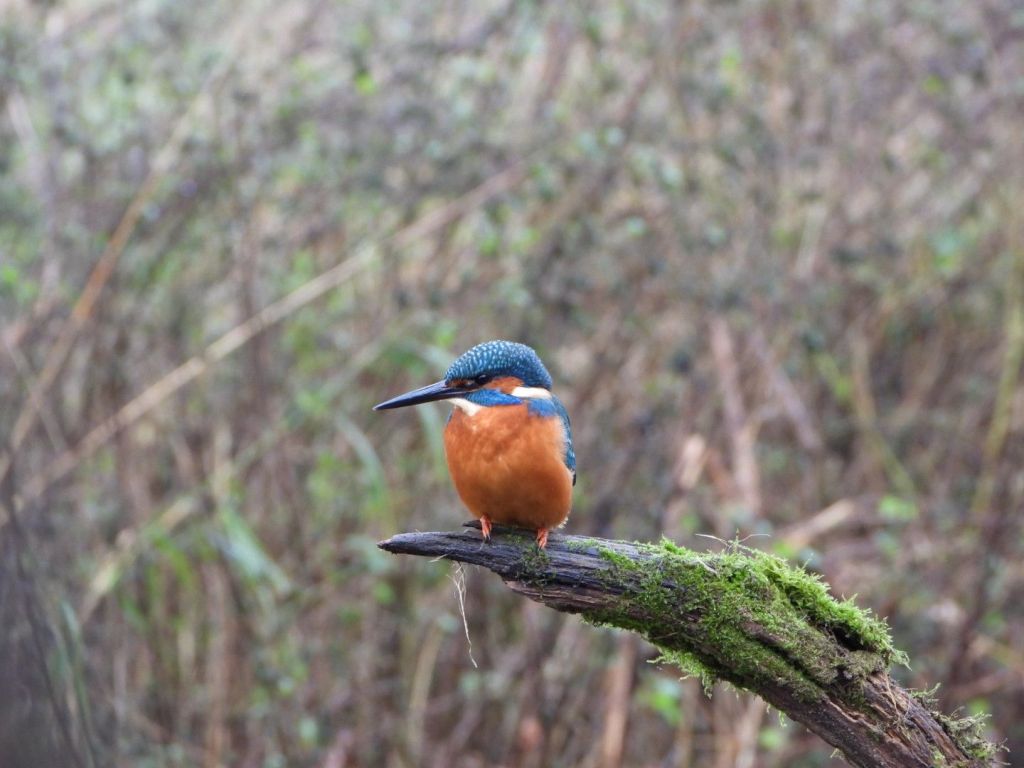
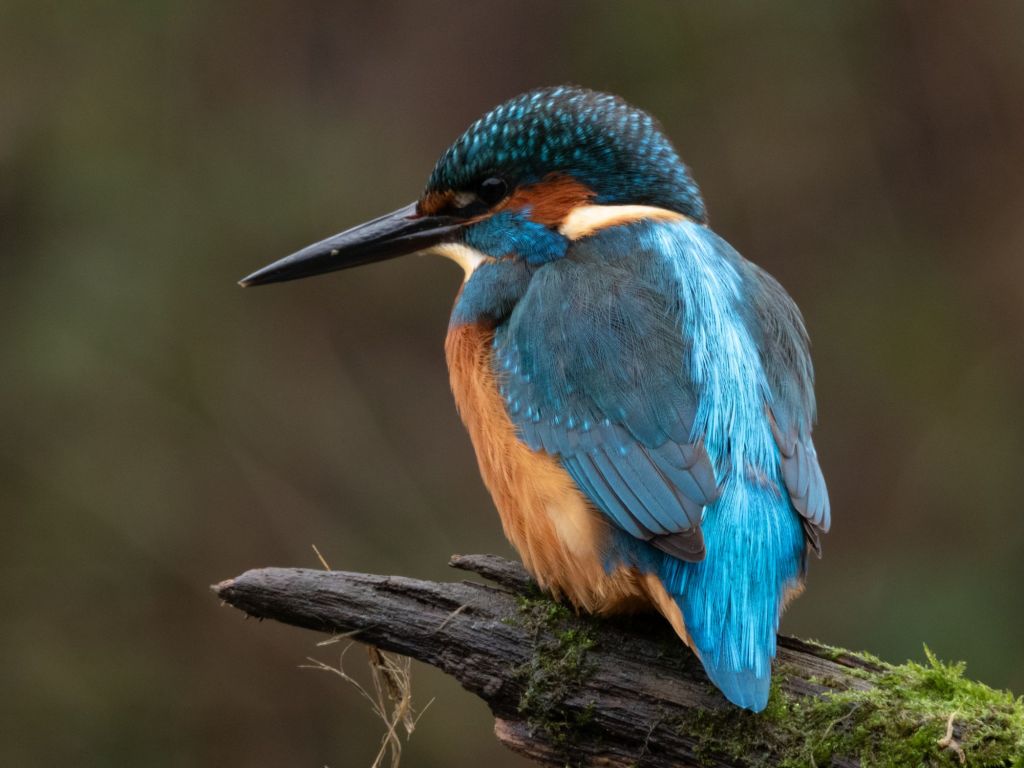
The most striking thing to me about this remarkable bird is the colour. At a glance they are blue and orange. But, when you get this close to this elusive animal you see the plethora of colour that shines through. The blue is a mix of emerald green, electric blue, sapphire and the colour of bright ice blue sky that moves with elegance into the rich terracotta orange on the breast. They are absolutely intricate and stunning and like nothing else I have ever observed.
The hours moved by and as the morning gave way to the Afternoon I felt it was my time to head back up the track to the farmhouse to get in my taxi. It was a pull to leave this stunning tranquil place. Hard to move away from my new blue friends.
My experience was nothing short of miraculous. I had started the day trying to stem the flow of high expectations and permit myself to just enjoy the moment but what I achieved was so much more than I ever hoped. I had captured in images a long time dream of mine to watch and learn about these beautiful animals and that is something I am endlessly grateful for.
Thank you as always for reading, have a beautiful day everyone x
 Emma's Safaris
Leave a comment